From 1 June, DMK Group and Arla Foods have merged. Read the press release
THE LAND

Improving protection of nature and biodiversity

Our farmer owners do more than care for cows. They also manage farmland across Europe, including fields and meadows. Through the FarmAhead™ Incentive Model, participating farmer owners can earn points for selected activities related to land management, soil and biodiversity.

Soil management

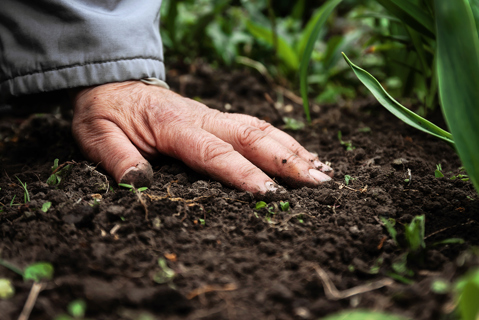
There’s a lot happening beneath the surface. Soil contains microorganisms, worms and nutrients, and its condition can vary from field to field. Some of our farmer owners take part in soil assessments by examining soil in the field or submitting samples for analysis. The results provide information that helps them decide how to manage the soil.
Caring for soil

Managing the grasslands

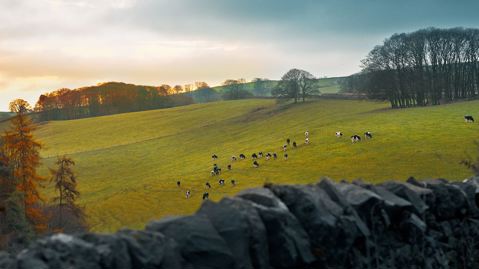
Some of our farmer owners use grazing and crop rotation as part of how they manage their land. The effects of these practices on soil carbon and biodiversity vary depending on factors such as soil conditions, weather and how the land is managed*.

To estimate annual changes in soil organic carbon, Arla combines farm management data with information about soil and local climate conditions.

Managing the grasslands

Biodiversity on the farm

Flowers, plants, bees, worms and birds – farmland can provide habitats for many different species. Through the FarmAhead™ Incentive Model, participating farmer-owners can earn points for selected land management activities included in the model. More points mean a higher incentive payment as part of the milk price.

Boosting biodiversity

Exploring regenerative farming

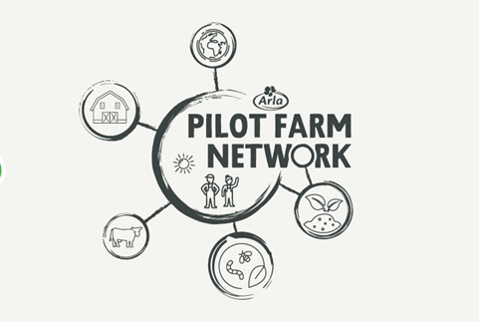
So, what exactly is regenerative farming? There’s no universally agreed answer yet. The term is often linked to soil management, biodiversity, grazing and soil carbon. That’s why selected Arla pilot farms are testing different practices and collecting data to learn how they work under different farm conditions.

Through a small group of selected pilot farms, Arla is testing and collecting data on different farming practices. The results help us build knowledge about how these practices work under different farm conditions and contribute practical experience to the wider research in this area.

Exploring regenerative farming

*Read more in our Climate Transition Plan.